Alcohol withdrawal stages
Of 10,786 SAMHSA-listed programs nationwide, 1,904 offer alcohol detox.
- provide detox
- 2,156
- offer alcohol detox
- 1,904
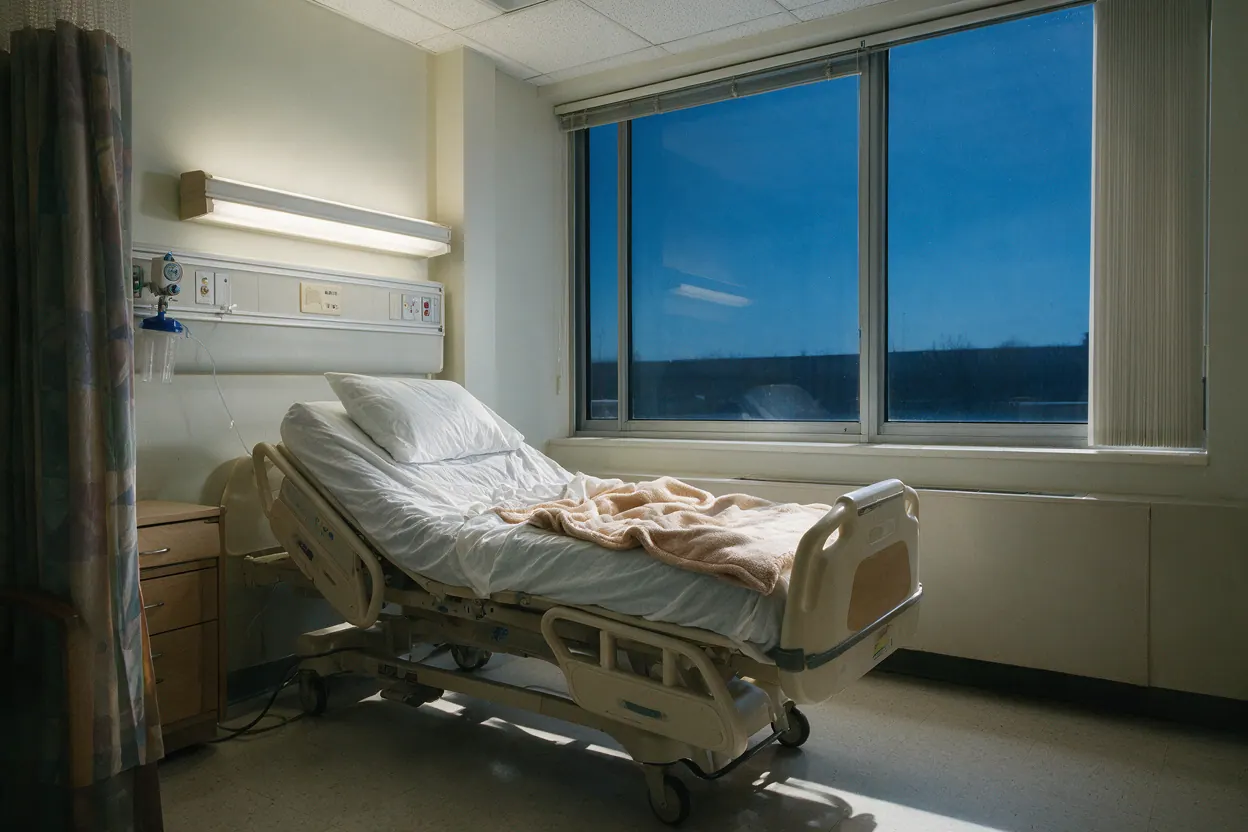
Withdrawal from alcohol is not one event. MedlinePlus describes a sequence that begins within 8 hours after the last drink, though it can start days later, peaks somewhere between 24 and 72 hours, and may continue, in subtler forms, for weeks or months. A clinician or the program can explain what withdrawal care involves.
It also covers how payment works, how to check a program's credentials, and where the 10,786 SAMHSA-listed alcohol treatment facilities fit in. The counts here are national totals from the SAMHSA FindTreatment.gov listings dated 2026-11-15, not figures for any single city.

Alcohol withdrawal stages timeline
According to MedlinePlus, alcohol withdrawal stages begin with early symptoms that usually appear within 8 hours after the last drink, though they can occur days later, and they peak by 24 to 72 hours. MedlinePlus (NIH) says alcohol withdrawal symptoms usually start within 8 hours of the last drink and peak by 24 to 72 hours, and that severe withdrawal needs medical care. A clinician or the program can explain what level of detox care fits your situation, and SAMHSA FindTreatment.gov lists 1,904 alcohol detox programs. A clinician or the program can explain what to do if someone has had a seizure or severe withdrawal before.
Sleep changes, rapid changes in mood, and fatigue may last for months after the acute phase ends, MedlinePlus notes. A clinician or the program can explain what continuing care after detox involves. Of the 10,786 SAMHSA-listed alcohol treatment programs, many offer these step-down services.

The importance of medical oversight
- MedlinePlus notes that alcohol withdrawal symptoms usually peak by 24 to 72 hours, and severe withdrawal needs medical care.
- A clinician or the program can explain how a supervised plan is arranged.
- A clinician who knows the history can answer any questions about medications.
- A clinician or the program can explain what to do if someone has had a seizure or severe withdrawal before.

Questions
What are the alcohol withdrawal stages and how long do they last?
MedlinePlus places onset within 8 hours after the last drink, though it can occur days later, with a peak by 24 to 72 hours. MedlinePlus (NIH) says that after alcohol withdrawal, sleep changes, rapid changes in mood, and fatigue may last for months. A clinician or the program can explain what monitoring and continuing care involve.
What are the main reasons people go to rehab for alcohol?
A clinician or the program can explain the reasons someone might choose detox or a structured setting. Nationwide, 10,786 SAMHSA-listed programs treat alcohol use disorder, and 1,904 of them offer alcohol detox. A clinician or the program can explain which level of care fits a person's situation.
How long do inpatient programs last?
Length of stay changes by program and by clinical need, and no single figure covers the country. A clinician or the program can explain what a typical stay looks like. Ask each program directly about its typical length of stay and whether it offers step-down to outpatient or sober living.
What is the most popular treatment for alcoholism?
A clinician or the program can explain which services fit a person's situation. A program's intake assessment is where that gets sorted out.
How do I find alcohol rehab centers that accept Medicaid?
Filter the SAMHSA FindTreatment.gov listings by payment type, then confirm with the program directly, because listings can lag behind a facility's current contracts. Of the 10,786 listed alcohol treatment programs, many accept Medicaid, though the number varies by state and by level of care. Your state Medicaid program can confirm which programs are in-network and what prior authorization is required before admission.
FAQ
The five levels of care, from outpatient counseling to inpatient detox, differ in intensity and cost, and the SAMHSA-listed programs above are organized by state and metro area so you can compare them side by side. A referral line is available around the clock if you want help narrowing the list; it can point you toward programs that fit your situation but does not admit anyone or promise coverage. Before enrolling, ask each center about its state license, whether it is accredited, and how it handles insurance verification.