Inpatient alcohol rehab
Inpatient alcohol rehab is residential care for alcohol use disorder. Nationwide, 2,574 programs are listed as residential in SAMHSA's directory. This guide covers who fits, daily life, and payment.
- programs in the United States
- 2,574
- take Medicaid
- 1,849
- take private insurance
- 1,868
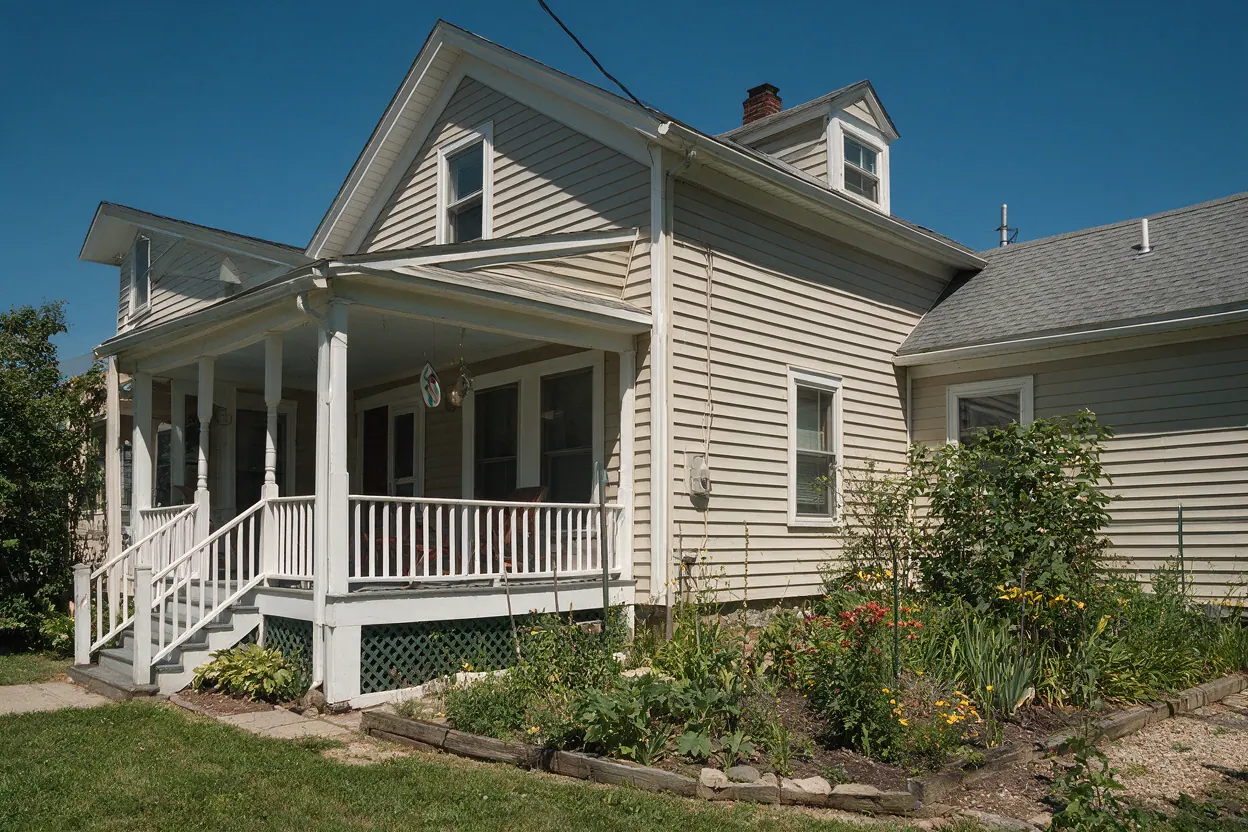
Inpatient alcohol rehab, also called residential treatment, is a live-in level of care for people with alcohol use disorder. You stay at the facility while receiving individual and group therapy, alcohol education, meals, and rest. The length of a stay varies; SAMHSA does not publish a standard number of days. Nationally, 2,574 residential programs are listed as inpatient alcohol rehab in SAMHSA's FindTreatment.gov directory.
Afternoons often include relapse-prevention skills, family contact, or recreation. Some residential programs offer on-site outpatient services for later, and 1,599 of the 2,574 residential programs listed nationally provide telehealth.

Matching inpatient alcohol rehab
- Individuals who also have a mental health condition, as 1,985 of 2,574 listed residential programs report dual-diagnosis capability.
- People who want a live-in setting with daily structure and can arrange time away from work or family for the length of the program.
Inpatient alcohol rehab admissions
Initial phone screening
A program asks about your drinking history, health conditions, and medications.
Insurance and payment check
The program verifies your coverage or discusses self-pay and sliding-fee options. If you have Medicaid, confirm the program accepts it before you go further; 1,849 residential programs nationally do. Ask what the estimate covers and what it does not.
Clinical assessment and intake
On arrival, staff complete a clinical assessment and review your medical history.

Inpatient alcohol rehab near you
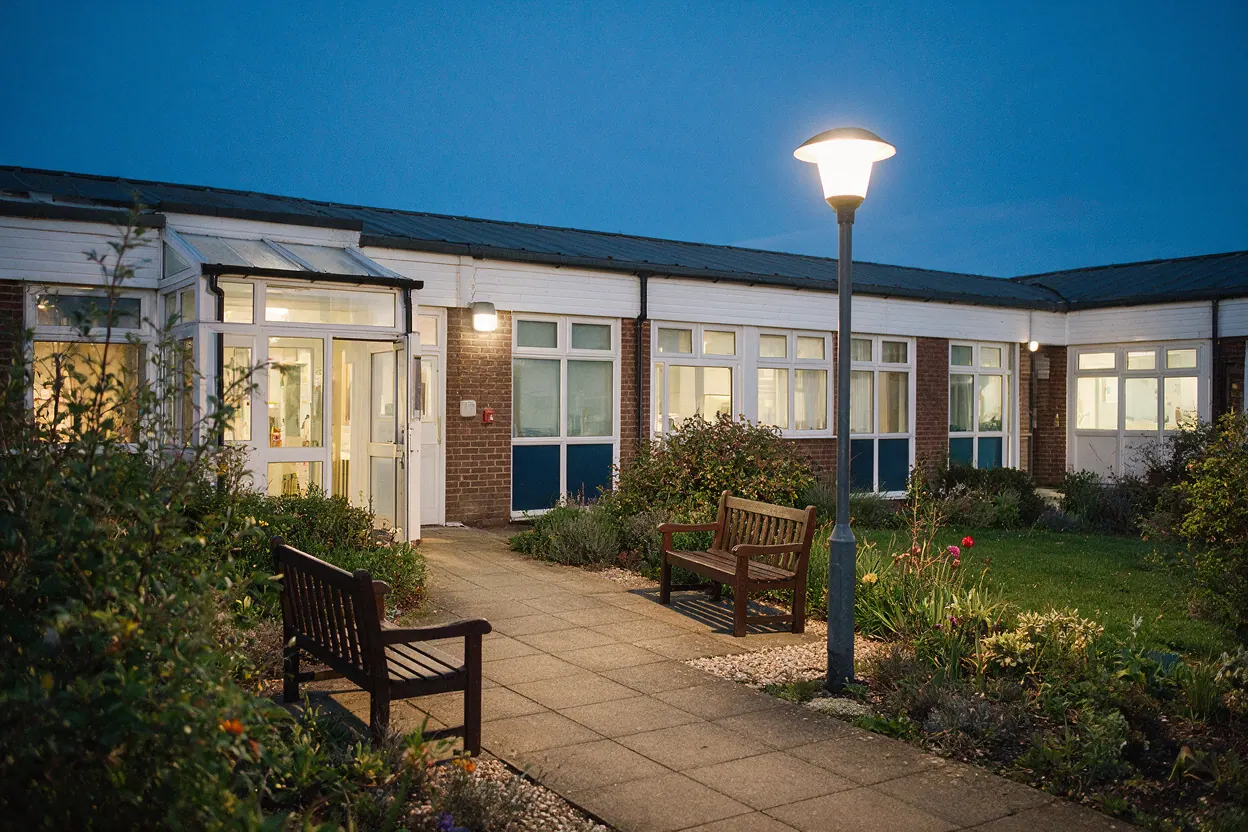
Nationally, 2,574 residential treatment programs are listed in SAMHSA's FindTreatment.gov directory, and the count for any one metro area will be smaller. Of those programs, 1,849 accept Medicaid, 1,868 accept private insurance, 671 accept Medicare, and 716 offer a sliding fee scale. Online directories let you filter by state and city, so the number you see for your area reflects local listings, not the national total.
Payment options vary by program. If you have Medicaid, start by checking whether your state has expanded eligibility; 40 states and the District of Columbia have adopted expansion as of October 16, 2026. If you are paying privately, ask each program for its sliding-fee policy, since 716 residential programs nationally report offering one. A referral phone line can help you compare inpatient alcohol rehab listings, but it cannot promise admission or coverage.
- take Medicaid
- 1,849
- take private insurance
- 1,868
- take Medicare
- 671
- use a sliding scale fee
- 716
| Location | City | Offers | Takes |
|---|---|---|---|
| Recovery Centers of America | Danvers, MA | Detox, Residential, PHP, IOP, Outpatient, OTP | Medicaid, Insurance |
| Region IV MHS | Corinth, MS | Residential | Medicaid, Medicare |
| Rimrock | Billings, MT | Detox, Residential, PHP, IOP, Outpatient | Medicaid, Insurance |
| BestCare Treatment Services | Klamath Falls, OR | Detox, Residential | Medicaid, Insurance |
| Alpine Recovery Lodge | Alpine, UT | Detox, Residential, PHP, IOP, Outpatient | Insurance |
| Wyoming Recovery | Casper, WY | Detox, Residential, PHP, IOP, Outpatient | Medicaid, Medicare, Insurance |
| View Point Health | Covington, GA | Residential | Medicaid, Sliding fee |
| Big Island Substance Abuse Council | Keaau, HI | Detox, Residential | — |
| Stewards of Recovery | Idaho Falls, ID | Detox, Residential, IOP, Outpatient | Medicaid, Medicare, Insurance |
| Phoenix Counseling Center | Shelby, NC | Detox, Residential | Medicaid, Medicare, Insurance, Sliding fee |
Paying for inpatient alcohol care
Payment depends on the program and your coverage. Nationally, 1,868 of the 2,574 residential programs listed accept private insurance and 1,849 accept Medicaid, while 671 accept Medicare and 716 offer a sliding fee scale. Ask each inpatient alcohol rehab program for a written estimate before admission. If you are uninsured, start with your state Medicaid office or a program that offers a sliding fee, and keep in mind that a phone line can point you to listings but cannot guarantee coverage or admission.
Questions
What is inpatient alcohol rehab?
Inpatient alcohol rehab is a residential level of care where you live at a treatment facility while receiving therapy and support for alcohol use disorder. Nationwide, 2,574 residential treatment programs are listed in SAMHSA's FindTreatment.gov directory. It differs from outpatient care because you stay on site, which adds structure and removes daily access to alcohol.
How long do inpatient alcohol rehab programs last?
How long you stay depends on the program and your clinical needs; SAMHSA's listings do not provide one standard number of days. Certain residential programs last a few weeks, and others permit longer stays. Ask the program directly how long it anticipates you will stay and if extensions are available. That answer should rest on your assessment, not a fixed promise.
Does Medicaid pay for inpatient alcohol rehab?
Medicaid may cover residential alcohol treatment, and 1,849 of the 2,574 nationally listed residential programs take Medicaid. Whether you qualify depends on your state's eligibility rules and the program's enrollment.
Can I keep my job while in inpatient alcohol rehab?
If you need to keep working, ask about outpatient options instead; 8,932 outpatient counseling programs and 5,320 intensive outpatient programs are listed nationally. Some residential programs offer telehealth for aftercare, with 1,599 residential programs nationally reporting telehealth services.
What happens after inpatient alcohol rehab ends?
Nationally, 5,320 intensive outpatient programs and 8,932 outpatient counseling programs are listed, so step-down care is usually available. Ask for a written discharge plan and confirm the first appointment date before you leave residential treatment.
Find a residential program that fits
Use the state and metro listings on this site to compare inpatient alcohol rehab programs near you, then call the referral line if you want help narrowing the list. Staff can explain how to check coverage and what to ask each program, but admission and payment decisions stay with the facility and your insurer.